Relics and artifacts hold a special place in many cultures and religions around the world. One particular type of relic that has captivated believers for centuries is relics of saints. These sacred objects, usually bones, clothing, or personal items associated with a saint, are venerated for their spiritual significance and believed to possess healing or miraculous powers.
Category : Relics and artifacts en | Sub Category : Relics of saints Posted on 2023-07-07 21:24:53
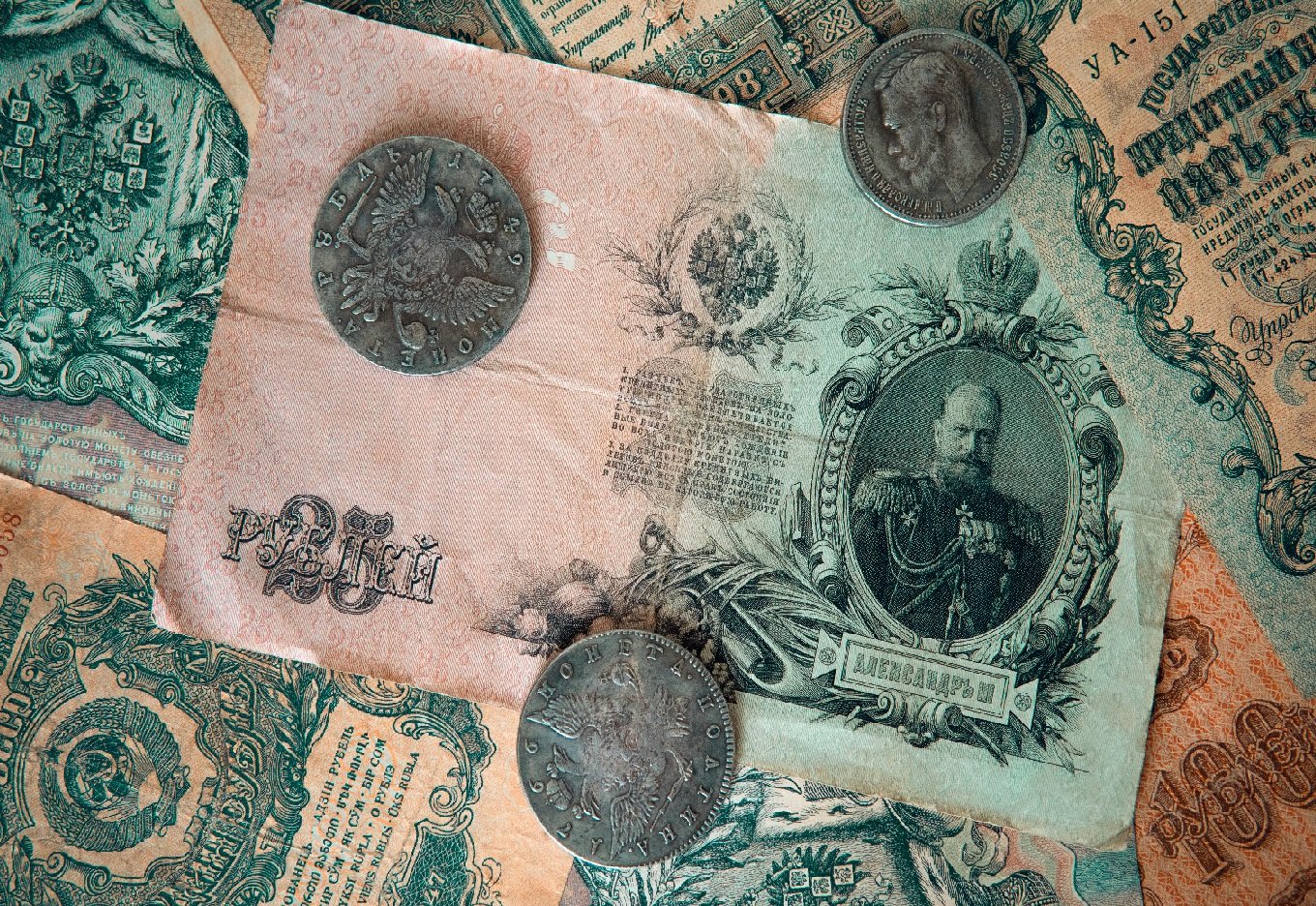
Relics and artifacts hold a special place in many cultures and religions around the world. One particular type of relic that has captivated believers for centuries is relics of saints. These sacred objects, usually bones, clothing, or personal items associated with a saint, are venerated for their spiritual significance and believed to possess healing or miraculous powers.
The veneration of relics of saints has a long history within Christianity, dating back to the early days of the Church. In the Catholic tradition, relics are classified into three categories: first-class relics (actual body parts of the saint), second-class relics (items owned or used by the saint), and third-class relics (objects that have been touched to a first-class relic). Pilgrims often travel long distances to visit churches or shrines that house these relics, hoping to receive blessings or miracles through their interaction with the sacred objects.
The act of venerating relics is not limited to Catholicism, as other Christian denominations and religions also have their own traditions surrounding the relics of saints. In Orthodox Christianity, for example, relics are placed in ornate containers called reliquaries and are often displayed prominently in churches for public veneration. Similarly, in Buddhism, relics of enlightened beings such as the Buddha are treasured and enshrined in stupas or temples as objects of devotion.
The veneration of relics of saints serves as a tangible connection to the divine and a reminder of the saint's virtuous life and miraculous deeds. While skeptics may view relics as mere objects of superstition, for believers, they are powerful symbols of faith and conduits of divine grace. Ultimately, the significance of relics lies not in their material value, but in the spiritual presence they represent and the profound impact they have on the hearts and minds of the faithful.
Leave a Comment:
SEARCH
Recent News
- Exploring the Fascinating Connection Between Zurich, Switzerland, the World Cup, and Ancient Civilizations
- Uncovering Ancient Wisdom: How Work Skills Development in Zurich, Switzerland Can Learn from Ancient Civilizations
- Exploring the Ancient Civilizations of Zurich, Switzerland and Warsaw, Poland
- Exploring the Ancient Civilizations of Vienna, Austria and Zurich, Switzerland
- Zurich, Switzerland is a bustling city known for its modern infrastructure, picturesque views of Lake Zurich, and vibrant cultural scene. However, not many are aware that this city has a deeper historical connection to ancient civilizations, including the Tsonga people.
- Exploring the Truth in News: Unveiling Ancient Civilizations in Zurich, Switzerland
- Exploring Ancient Civilizations: A Journey through Zurich, Switzerland
- Are you interested in exploring the rich history of ancient civilizations while traveling from Zurich, Switzerland, to France? The journey between these two countries offers a unique opportunity to immerse yourself in the fascinating stories of the past.
READ MORE
1 year ago Category :

Exploring the Fascinating Connection Between Zurich, Switzerland, the World Cup, and Ancient Civilizations
Read More →1 year ago Category :

Uncovering Ancient Wisdom: How Work Skills Development in Zurich, Switzerland Can Learn from Ancient Civilizations
Read More →1 year ago Category :

Exploring the Ancient Civilizations of Zurich, Switzerland and Warsaw, Poland
Read More →1 year ago Category :
