Relics and artifacts are not always physical objects like ancient coins, weapons, or artworks. Sometimes, the most fascinating relics of history can be found in the form of historical documents. These documents, ranging from letters and diaries to official records and manuscripts, provide valuable insights into the past and allow us to peek into the lives and thoughts of people who lived centuries ago.
Category : Relics and artifacts en | Sub Category : Historical documents Posted on 2023-07-07 21:24:53
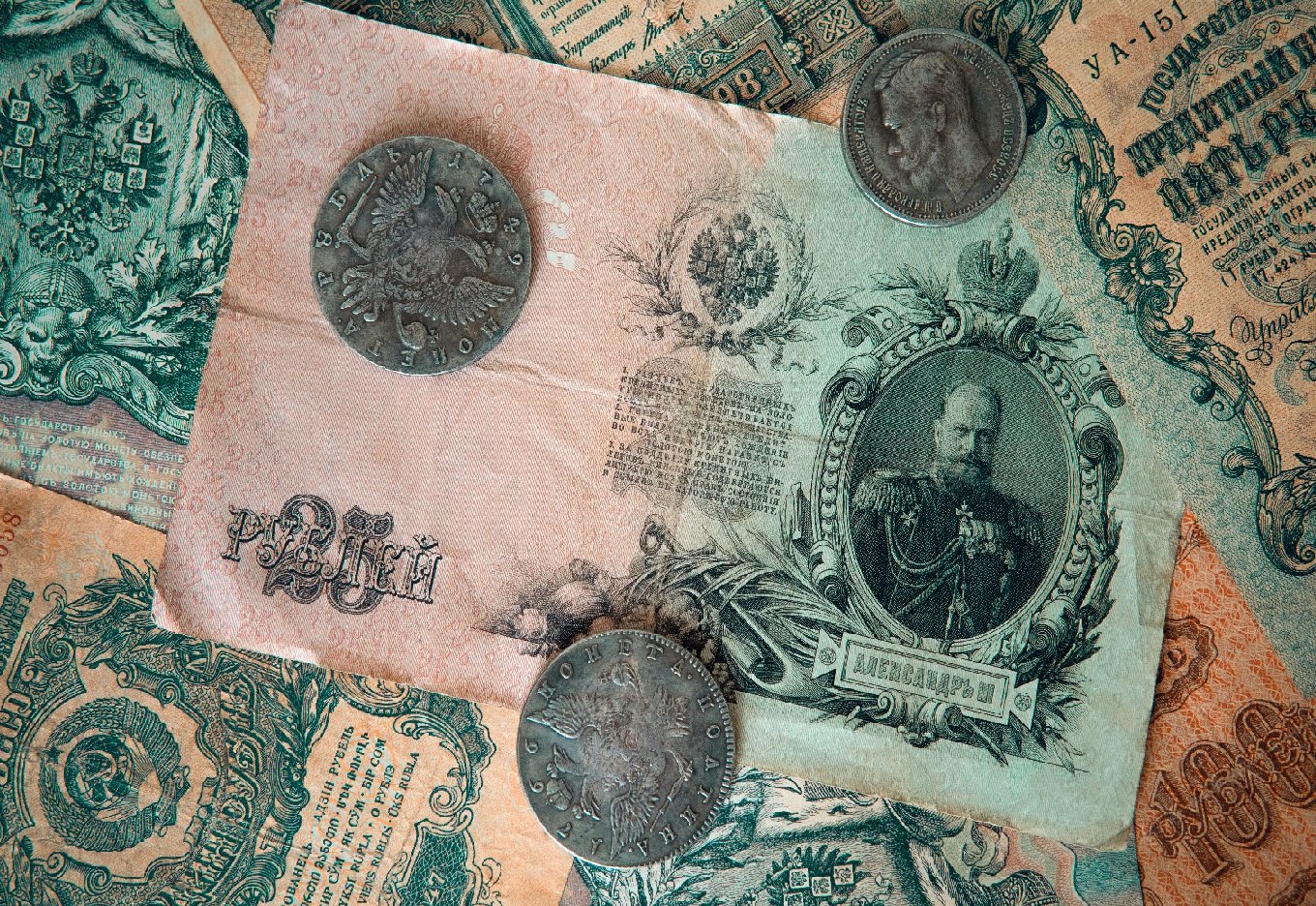
Relics and artifacts are not always physical objects like ancient coins, weapons, or artworks. Sometimes, the most fascinating relics of history can be found in the form of historical documents. These documents, ranging from letters and diaries to official records and manuscripts, provide valuable insights into the past and allow us to peek into the lives and thoughts of people who lived centuries ago.
One of the most well-known historical documents is the Magna Carta, signed in 1215. This medieval charter established the principle that everyone, including the king, was subject to the law. It laid the foundation for future laws and rights in England and other countries influenced by English legal traditions. The Magna Carta is a relic of a pivotal moment in history when the balance of power between the ruler and the ruled was challenged.
Another significant historical document is the Declaration of Independence, adopted by the Continental Congress in 1776. This document proclaimed the American colonies' independence from British rule and asserted the fundamental rights of life, liberty, and the pursuit of happiness. The Declaration of Independence is not only a relic of the birth of a nation but also a powerful statement of human rights and democratic principles.
Personal letters and diaries can also offer valuable insights into the past. The letters exchanged between prominent historical figures reveal their thoughts, emotions, and relationships with others. For example, the correspondence between John Adams and his wife Abigail Adams provides a glimpse into their partnership and the challenges they faced during the American Revolution. Diaries, such as the diary of Anne Frank, offer a firsthand account of life during a dark period in history and remind us of the importance of empathy and understanding.
Official records and manuscripts are essential historical documents that shed light on political, social, and economic developments. For example, the Domesday Book, compiled in 1086 by order of William the Conqueror, provides a detailed survey of land ownership and resources in England at that time. This document is a valuable source for historians studying medieval society and the impact of Norman rule.
In conclusion, historical documents are invaluable relics that offer a window into the past. Whether they are iconic charters like the Magna Carta, founding declarations like the Declaration of Independence, or personal writings like letters and diaries, these documents provide us with a deeper understanding of history and human experiences. By preserving and studying these artifacts, we can continue to learn from the lessons of the past and appreciate the rich tapestry of human civilization.
Leave a Comment:
SEARCH
Recent News
- Exploring the Fascinating Connection Between Zurich, Switzerland, the World Cup, and Ancient Civilizations
- Uncovering Ancient Wisdom: How Work Skills Development in Zurich, Switzerland Can Learn from Ancient Civilizations
- Exploring the Ancient Civilizations of Zurich, Switzerland and Warsaw, Poland
- Exploring the Ancient Civilizations of Vienna, Austria and Zurich, Switzerland
- Zurich, Switzerland is a bustling city known for its modern infrastructure, picturesque views of Lake Zurich, and vibrant cultural scene. However, not many are aware that this city has a deeper historical connection to ancient civilizations, including the Tsonga people.
- Exploring the Truth in News: Unveiling Ancient Civilizations in Zurich, Switzerland
- Exploring Ancient Civilizations: A Journey through Zurich, Switzerland
- Are you interested in exploring the rich history of ancient civilizations while traveling from Zurich, Switzerland, to France? The journey between these two countries offers a unique opportunity to immerse yourself in the fascinating stories of the past.
READ MORE
1 year ago Category :

Exploring the Fascinating Connection Between Zurich, Switzerland, the World Cup, and Ancient Civilizations
Read More →1 year ago Category :

Uncovering Ancient Wisdom: How Work Skills Development in Zurich, Switzerland Can Learn from Ancient Civilizations
Read More →1 year ago Category :

Exploring the Ancient Civilizations of Zurich, Switzerland and Warsaw, Poland
Read More →1 year ago Category :
