Historical artifacts have the power to transport us back in time and give us a glimpse into the fascinating stories of our ancestors. Among these artifacts, sculptures hold a special place as they not only showcase the artistic skills of ancient civilizations but also provide insights into their belief systems, cultural practices, and societal structures.
Category : Historical artifacts en | Sub Category : Sculptures Posted on 2023-07-07 21:24:53
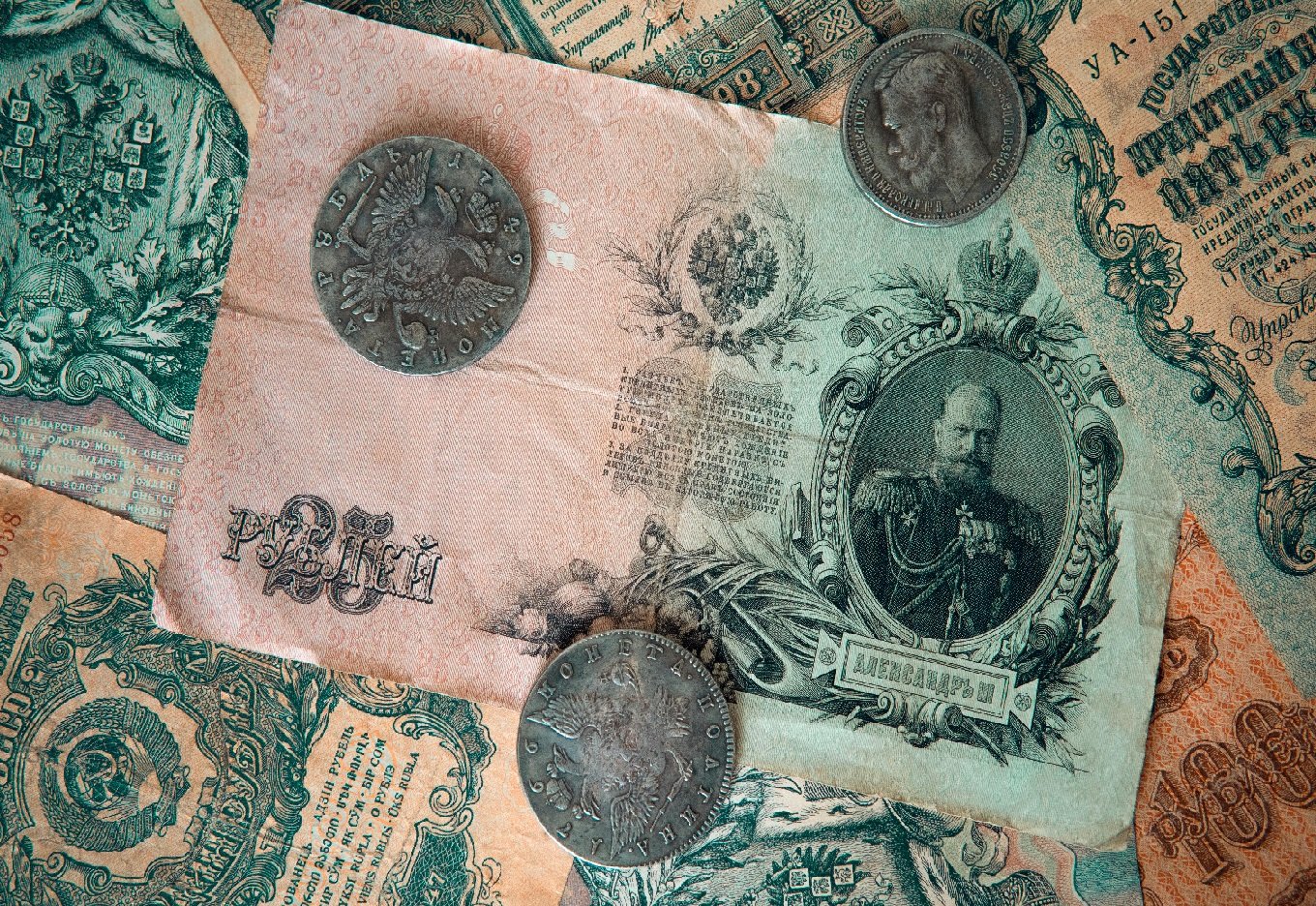
Historical artifacts have the power to transport us back in time and give us a glimpse into the fascinating stories of our ancestors. Among these artifacts, sculptures hold a special place as they not only showcase the artistic skills of ancient civilizations but also provide insights into their belief systems, cultural practices, and societal structures.
Sculptures have been a prominent form of artistic expression throughout history, with civilizations around the world creating masterful works of art that have stood the test of time. From the grand marble statues of ancient Greece and Rome to the intricate carvings of temples in India and Southeast Asia, sculptures have played a crucial role in preserving the heritage of humanity.
One of the most famous historical sculptures is the Venus de Milo, a marble statue believed to depict the Greek goddess Aphrodite. Discovered on the island of Milos in 1820, this masterpiece from the Hellenistic period is admired for its graceful beauty and the skillful rendering of the female form. The missing arms of the statue only add to its mystique, sparking endless speculation about its original pose and significance.
The Moai statues of Easter Island are another iconic example of historical sculptures that continue to capture the imagination of people worldwide. Carved by the Rapa Nui civilization between the 13th and 16th centuries, these towering stone figures are believed to represent deceased ancestors and carry profound spiritual and cultural meanings for the islanders.
Closer to home, the ancient sculptures of the Maya civilization in Mesoamerica offer a glimpse into a complex society that thrived for centuries before the arrival of European colonizers. The intricate carvings on stelae and temple facades depict rulers, gods, and mythological scenes, showcasing the artistic achievements and religious beliefs of the Maya people.
Today, historical sculptures serve not only as artistic treasures but also as valuable sources of information for historians, archaeologists, and art enthusiasts. Through the study of these artifacts, we can gain a deeper understanding of the cultures that created them and appreciate the enduring legacy of artistic expression across the ages.
In a world where change is constant and modernity often replaces the old with the new, historical sculptures stand as timeless reminders of our shared human heritage. By preserving and studying these precious artifacts, we can ensure that the stories they tell will continue to inspire and educate future generations for years to come.
Leave a Comment:
SEARCH
Recent News
- Exploring the Fascinating Connection Between Zurich, Switzerland, the World Cup, and Ancient Civilizations
- Uncovering Ancient Wisdom: How Work Skills Development in Zurich, Switzerland Can Learn from Ancient Civilizations
- Exploring the Ancient Civilizations of Zurich, Switzerland and Warsaw, Poland
- Exploring the Ancient Civilizations of Vienna, Austria and Zurich, Switzerland
- Zurich, Switzerland is a bustling city known for its modern infrastructure, picturesque views of Lake Zurich, and vibrant cultural scene. However, not many are aware that this city has a deeper historical connection to ancient civilizations, including the Tsonga people.
- Exploring the Truth in News: Unveiling Ancient Civilizations in Zurich, Switzerland
- Exploring Ancient Civilizations: A Journey through Zurich, Switzerland
- Are you interested in exploring the rich history of ancient civilizations while traveling from Zurich, Switzerland, to France? The journey between these two countries offers a unique opportunity to immerse yourself in the fascinating stories of the past.
READ MORE
1 year ago Category :

Exploring the Fascinating Connection Between Zurich, Switzerland, the World Cup, and Ancient Civilizations
Read More →1 year ago Category :

Uncovering Ancient Wisdom: How Work Skills Development in Zurich, Switzerland Can Learn from Ancient Civilizations
Read More →1 year ago Category :

Exploring the Ancient Civilizations of Zurich, Switzerland and Warsaw, Poland
Read More →1 year ago Category :
