Exploring the Evolution of Supply Chains: Lessons from Ancient Civilizations
Category : | Sub Category : Posted on 2024-11-05 21:25:23
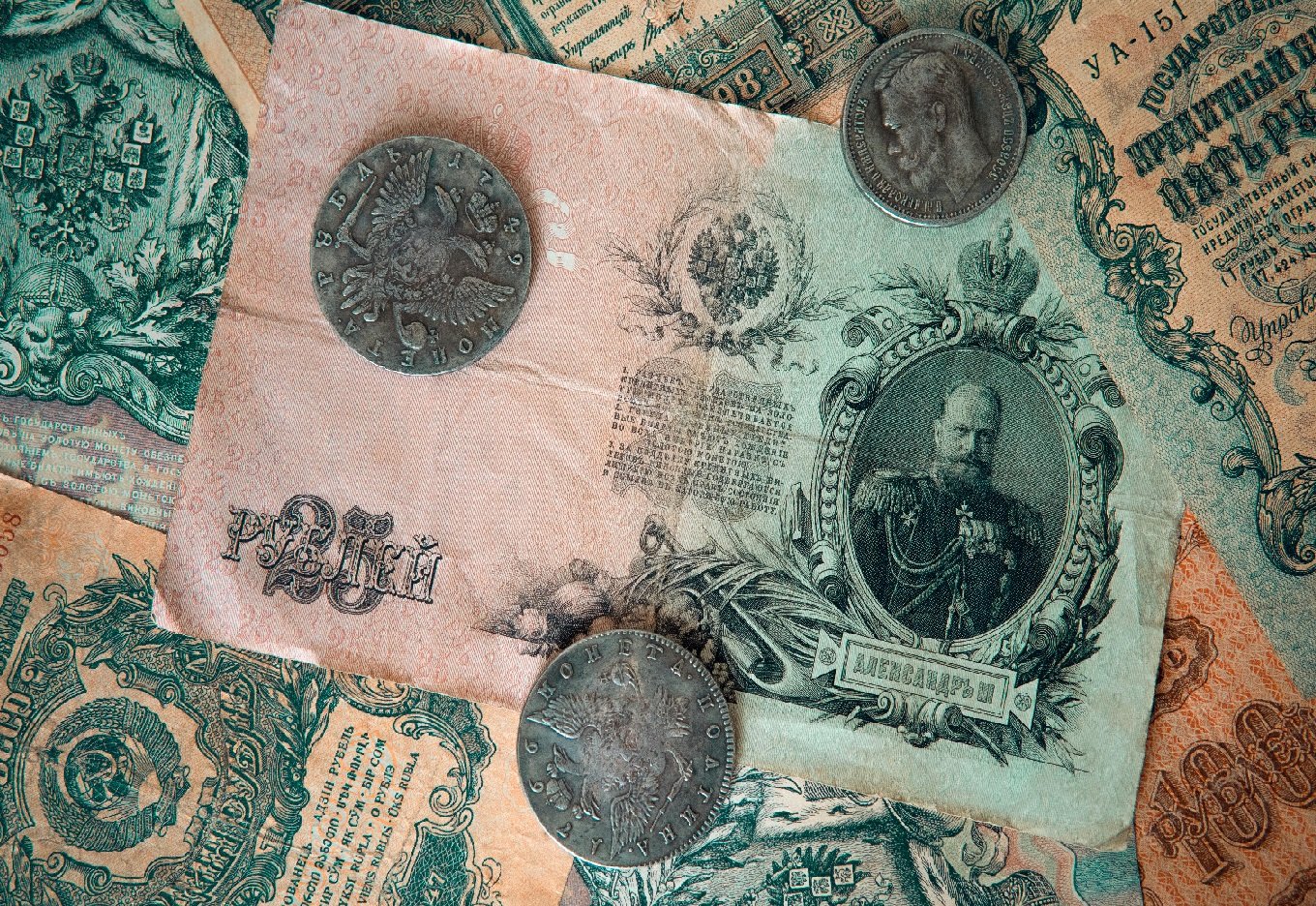
Supply chains are the backbone of any business or industry, ensuring the flow of goods and services from production to consumption. While modern supply chains are highly complex and interconnected, it is fascinating to explore how ancient civilizations also had their own intricate systems in place to manage the movement of goods across vast distances. Let's take a journey back in time to some of the most notable ancient civilizations and uncover the lessons we can learn from their supply chain practices. 1. Ancient Egypt: The ancient Egyptians are renowned for their advanced civilization and monumental achievements in various fields. One of the key factors contributing to their success was their well-organized supply chain system. The Nile River played a central role in transportation, enabling the Egyptians to move goods efficiently from one region to another. They developed sophisticated logistics networks to support trade and commerce, including the construction of granaries to store surplus crops and strategic placement of warehouses along trade routes. Lessons learned: The importance of leveraging natural resources for transportation and storage, as well as the strategic placement of distribution centers to optimize supply chain efficiency. 2. Roman Empire: The Roman Empire was a sprawling civilization that spanned across regions and continents, requiring a robust supply chain to support its vast empire. The Romans excelled in road construction, building a network of well-maintained roads known as "Viae" to facilitate the movement of troops, goods, and communication. They also established a system of warehouses, known as "Horrea," to store food supplies and other essential items to sustain their population and military campaigns. Lessons learned: The critical role of infrastructure in facilitating trade and commerce, as well as the importance of centralizing storage facilities to maintain adequate inventory levels and respond to changing demands. 3. Silk Road: The Silk Road was not a single route but a network of trade routes that connected the East and West, facilitating the exchange of goods, ideas, and cultures between civilizations. Stretching thousands of miles across Asia, the Silk Road played a vital role in the development of ancient economies and the diffusion of knowledge and innovation. Merchants and caravans navigated diverse terrains and climates, relying on a system of relay stations and intermediaries to ensure the safe passage of goods. Lessons learned: The value of collaboration and partnerships in expanding market reach, as well as the adaptability required to overcome logistical challenges and cultural differences in a global supply chain. In conclusion, studying the supply chain practices of ancient civilizations provides valuable insights into the foundations of modern logistics and distribution systems. By learning from their strategies in leveraging resources, building infrastructure, and fostering trade partnerships, businesses today can enhance their operational efficiency, resilience, and sustainability in an increasingly interconnected world. Just as our predecessors navigated complex supply chains to thrive in their time, we too can draw inspiration from history to shape the future of supply chain management. Find expert opinions in https://www.konsultan.org
https://continuar.org
https://constructional.org
Leave a Comment:
SEARCH
Recent News
- Exploring the Fascinating Connection Between Zurich, Switzerland, the World Cup, and Ancient Civilizations
- Uncovering Ancient Wisdom: How Work Skills Development in Zurich, Switzerland Can Learn from Ancient Civilizations
- Exploring the Ancient Civilizations of Zurich, Switzerland and Warsaw, Poland
- Exploring the Ancient Civilizations of Vienna, Austria and Zurich, Switzerland
- Zurich, Switzerland is a bustling city known for its modern infrastructure, picturesque views of Lake Zurich, and vibrant cultural scene. However, not many are aware that this city has a deeper historical connection to ancient civilizations, including the Tsonga people.
- Exploring the Truth in News: Unveiling Ancient Civilizations in Zurich, Switzerland
- Exploring Ancient Civilizations: A Journey through Zurich, Switzerland
- Are you interested in exploring the rich history of ancient civilizations while traveling from Zurich, Switzerland, to France? The journey between these two countries offers a unique opportunity to immerse yourself in the fascinating stories of the past.
READ MORE
1 year ago Category :

Exploring the Fascinating Connection Between Zurich, Switzerland, the World Cup, and Ancient Civilizations
Read More →1 year ago Category :

Uncovering Ancient Wisdom: How Work Skills Development in Zurich, Switzerland Can Learn from Ancient Civilizations
Read More →1 year ago Category :

Exploring the Ancient Civilizations of Zurich, Switzerland and Warsaw, Poland
Read More →1 year ago Category :
