Unveiling the Ancient Scam Supply Chains of Civilizations Past
Category : | Sub Category : Posted on 2024-11-05 21:25:23
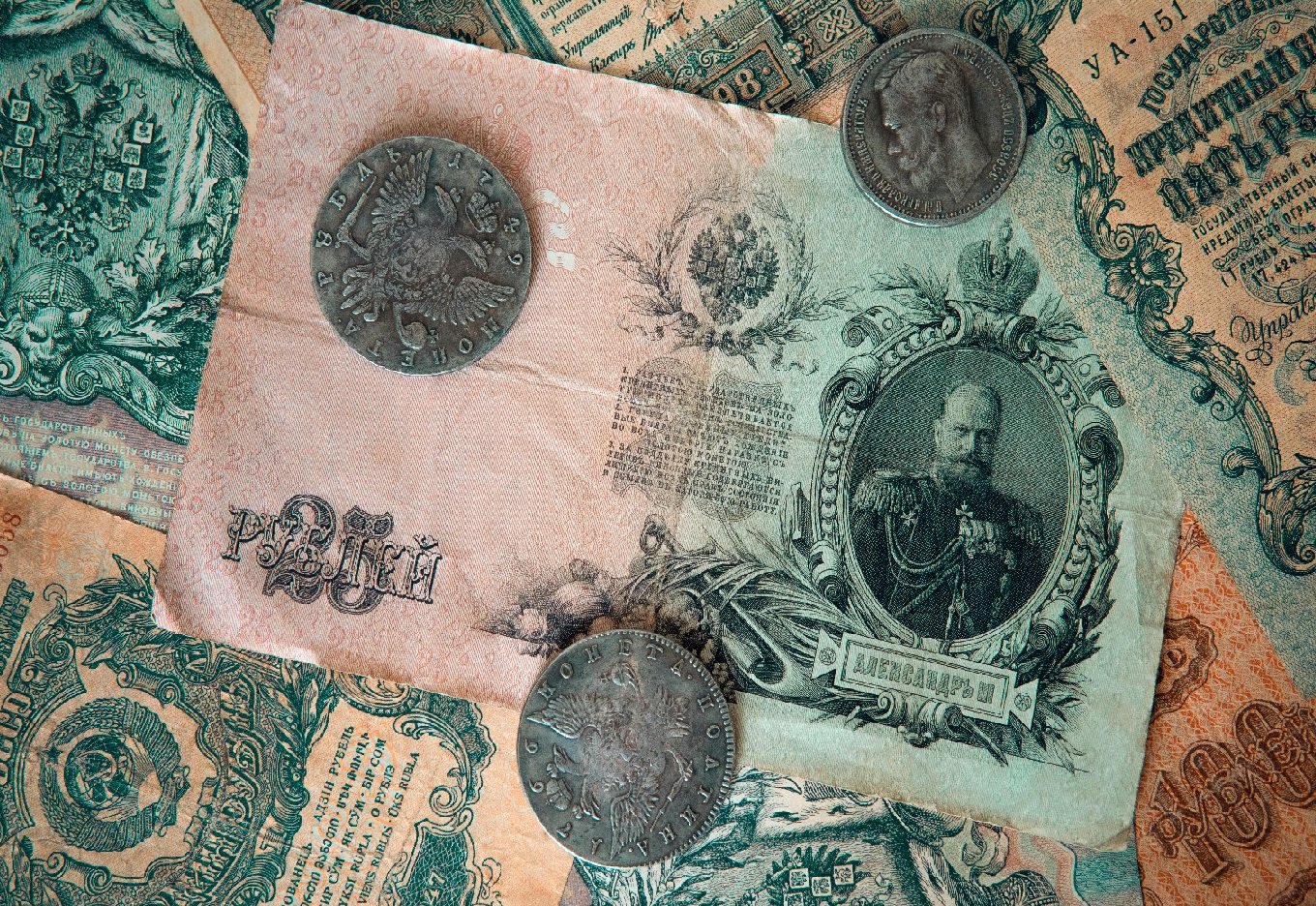
In the ancient world, just like in modern times, supply chains played a crucial role in the functioning of civilizations. However, what many may not realize is that even in ancient times, there were individuals who sought to exploit these supply chains for their own gain through various scams and fraudulent activities. Let's delve into the fascinating world of scam supply chains in ancient civilizations. One of the most common scams in ancient supply chains was the adulteration of goods. Merchants would often mix inferior or cheaper substances with valuable commodities to increase their profits. For example, in ancient Rome, wine was a highly prized and valuable commodity. Unscrupulous merchants would dilute the wine with water or mix it with other substances to stretch their supply and increase their profits. This practice not only cheated consumers but also had serious consequences for public health. Another prevalent scam in ancient supply chains was counterfeiting. Precious metals, coins, and even goods such as pottery and textiles were often counterfeited by skilled artisans looking to make a quick profit. In ancient Egypt, counterfeit scarabs (amulets in the shape of beetles) were widespread, with forgers replicating the intricate designs of genuine scarabs to deceive unsuspecting buyers. This not only undermined trust in the marketplace but also had economic repercussions for the ancient economy. Furthermore, bribery and corruption were rife in ancient supply chains. Officials responsible for overseeing trade routes, warehouses, and marketplaces were often bribed by dishonest merchants to turn a blind eye to their illicit activities. This enabled counterfeit goods to enter the market, genuine products to be diverted, and quality standards to be compromised, ultimately harming both consumers and legitimate traders. Despite the challenges posed by scam supply chains, ancient civilizations developed mechanisms to combat such fraudulent practices. For instance, ancient Mesopotamia implemented strict regulations on weights and measures to ensure fair trade, while the Roman Empire enforced laws against adulteration and counterfeiting. Additionally, ancient Chinese dynasties employed government inspectors to monitor marketplaces and crack down on dishonest traders. In conclusion, the history of scam supply chains in ancient civilizations reveals that the urge to deceive and defraud has been a constant throughout human history. While the methods and techniques may have evolved over time, the underlying motivations remain the same. By studying these historical examples, we can gain insights into how ancient societies dealt with fraudulent practices and draw parallels to the challenges faced in the modern world. It serves as a reminder that vigilance, transparency, and ethical conduct are essential in maintaining the integrity of supply chains, both then and now.
https://constructional.org
Leave a Comment:
SEARCH
Recent News
- Exploring the Fascinating Connection Between Zurich, Switzerland, the World Cup, and Ancient Civilizations
- Uncovering Ancient Wisdom: How Work Skills Development in Zurich, Switzerland Can Learn from Ancient Civilizations
- Exploring the Ancient Civilizations of Zurich, Switzerland and Warsaw, Poland
- Exploring the Ancient Civilizations of Vienna, Austria and Zurich, Switzerland
- Zurich, Switzerland is a bustling city known for its modern infrastructure, picturesque views of Lake Zurich, and vibrant cultural scene. However, not many are aware that this city has a deeper historical connection to ancient civilizations, including the Tsonga people.
- Exploring the Truth in News: Unveiling Ancient Civilizations in Zurich, Switzerland
- Exploring Ancient Civilizations: A Journey through Zurich, Switzerland
- Are you interested in exploring the rich history of ancient civilizations while traveling from Zurich, Switzerland, to France? The journey between these two countries offers a unique opportunity to immerse yourself in the fascinating stories of the past.
READ MORE
1 year ago Category :

Exploring the Fascinating Connection Between Zurich, Switzerland, the World Cup, and Ancient Civilizations
Read More →1 year ago Category :

Uncovering Ancient Wisdom: How Work Skills Development in Zurich, Switzerland Can Learn from Ancient Civilizations
Read More →1 year ago Category :

Exploring the Ancient Civilizations of Zurich, Switzerland and Warsaw, Poland
Read More →1 year ago Category :
