Exploring Competitive Games and Conflicts in the History of Ancient Civilizations
Category : | Sub Category : Posted on 2024-11-05 21:25:23
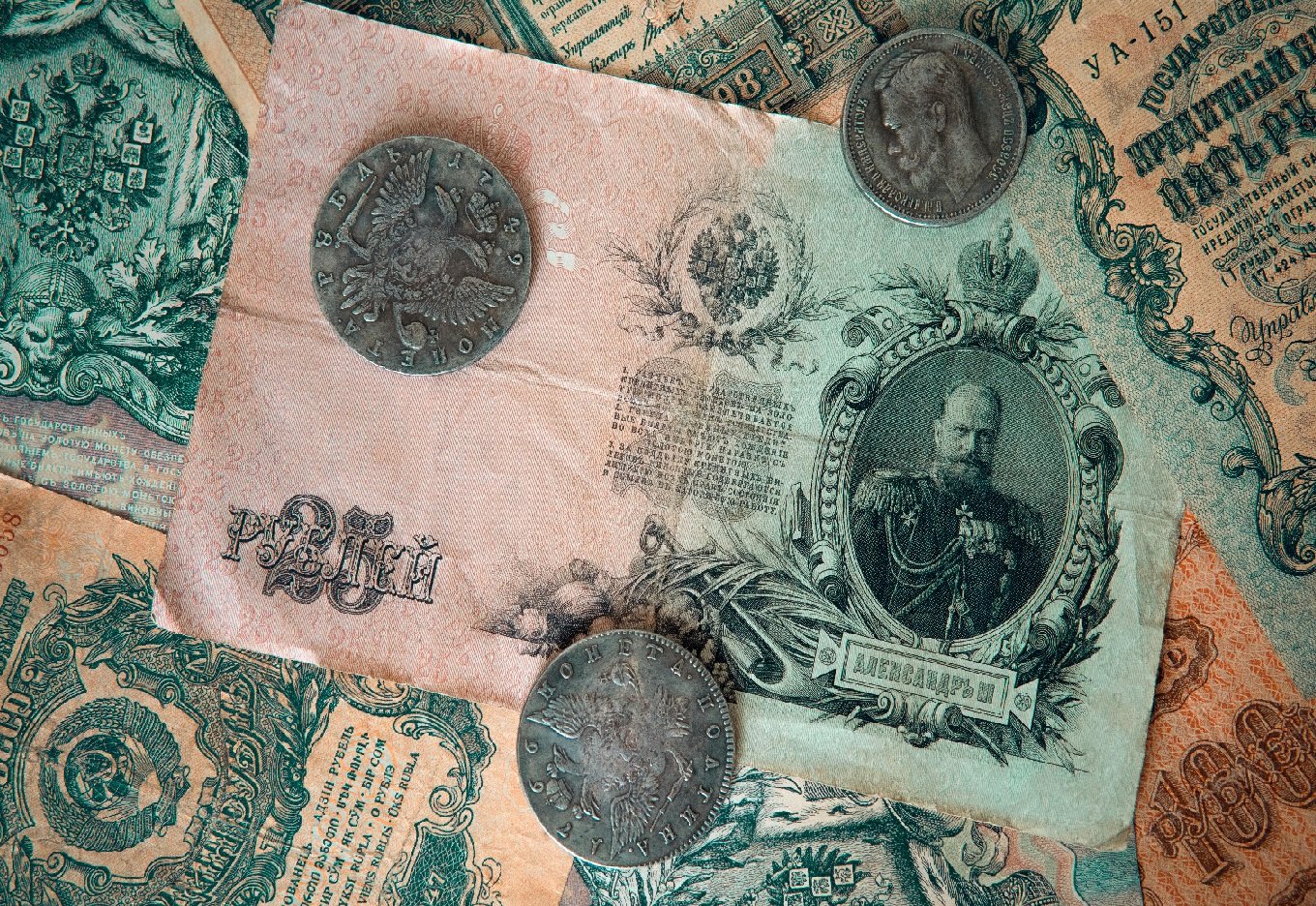
Introduction: Competitive games and conflicts have been intrinsic elements of human societies throughout history, particularly in ancient civilizations. From sports competitions to military conflicts, these aspects not only shaped the social dynamics but also influenced the political landscape of ancient times. In this blog post, we delve into the fascinating intersection of competitive games and conflicts in the history of ancient civilizations. Competitive Games in Ancient Civilizations: Ancient civilizations, such as Greek, Roman, Egyptian, and Mayan, engaged in various competitive games that were not only a form of entertainment but also held cultural and religious significance. The Greeks, for example, organized the Olympic Games, which showcased athletic prowess and served as a unifying event for the city-states. Similarly, the Romans enjoyed gladiator fights and chariot races in grand arenas, reflecting their love for spectacle and competition. Conflicts in Ancient Civilizations: Warfare and conflicts were prevalent in the history of ancient civilizations, often fueled by territorial disputes, power struggles, and ideological differences. The clashes between the Greek city-states, the conquests of Alexander the Great, the expansion of the Roman Empire, and the conflicts among the Mayan city-states are just a few examples of the military engagements that shaped ancient history. These conflicts not only altered the borders and boundaries of civilizations but also influenced their cultural and societal structures. Interconnection of Games and Conflicts: Interestingly, the competitive games in ancient civilizations were not always separate from conflicts; in fact, they sometimes intertwined. For instance, the ancient Greek Olympics had a tradition of the Olympic Truce, where warring city-states would temporarily cease hostilities to allow athletes and spectators to travel safely to the games. This connection between games and conflicts highlights the complex relationship between competition and cooperation in ancient societies. Impact on Society and Legacy: The prevalence of competitive games and conflicts in ancient civilizations had a profound impact on society, shaping their values, traditions, and identities. The victories in athletic competitions and battles were celebrated as symbols of strength and glory, while the defeats served as lessons in resilience and perseverance. The legacy of these ancient civilizations, with their sporting achievements and military conquests, continues to inspire admiration and fascination to this day. Conclusion: The history of ancient civilizations is replete with examples of competitive games and conflicts that reflect the complexities of human nature and society. From the grandeur of the Olympic Games to the tumult of wars, these aspects have left an indelible mark on the cultural heritage of civilizations across the globe. By exploring the interconnection of games and conflicts in ancient history, we gain a deeper understanding of the dynamics that shaped the past and continue to influence the present.
https://constructional.org
Leave a Comment:
SEARCH
Recent News
- Exploring the Fascinating Connection Between Zurich, Switzerland, the World Cup, and Ancient Civilizations
- Uncovering Ancient Wisdom: How Work Skills Development in Zurich, Switzerland Can Learn from Ancient Civilizations
- Exploring the Ancient Civilizations of Zurich, Switzerland and Warsaw, Poland
- Exploring the Ancient Civilizations of Vienna, Austria and Zurich, Switzerland
- Zurich, Switzerland is a bustling city known for its modern infrastructure, picturesque views of Lake Zurich, and vibrant cultural scene. However, not many are aware that this city has a deeper historical connection to ancient civilizations, including the Tsonga people.
- Exploring the Truth in News: Unveiling Ancient Civilizations in Zurich, Switzerland
- Exploring Ancient Civilizations: A Journey through Zurich, Switzerland
- Are you interested in exploring the rich history of ancient civilizations while traveling from Zurich, Switzerland, to France? The journey between these two countries offers a unique opportunity to immerse yourself in the fascinating stories of the past.
READ MORE
1 year ago Category :

Exploring the Fascinating Connection Between Zurich, Switzerland, the World Cup, and Ancient Civilizations
Read More →1 year ago Category :

Uncovering Ancient Wisdom: How Work Skills Development in Zurich, Switzerland Can Learn from Ancient Civilizations
Read More →1 year ago Category :

Exploring the Ancient Civilizations of Zurich, Switzerland and Warsaw, Poland
Read More →1 year ago Category :
